Thursday, 4 April 2019

Google tests AR for Google Maps: Considerations for businesses across local search, hyperlocal SEO, and UX

Last month Google invited a select number of users and journalists to try out its new augmented reality functionality in Google Maps.

It is an exciting development particularly for those who have ever experienced difficulty finding a location in the real world when Google Maps’ blue dot fails to be accurate enough. But with local and hyperlocal SEO becoming a bigger consideration for businesses seeking to be visible in mobile search, are there implications here too?

How Google is bringing AR to its maps navigation

Back in February, Google invited a small number of local guides and journalists to try out the new AR functionality in its Google Maps service.

As is detailed over on the Google AI blog, they are calling the technique “global localization”. It aims to make Google Maps even more useful and accurate by building on its GPS and compass powered blue dot with added visual positioning service (VPS), street view, and machine learning.

The result incorporates AR and map data. When planning a route from A to B, users can use the smartphone lens to see the world in front of them with Google Maps’ location arrows and labels overlaid.
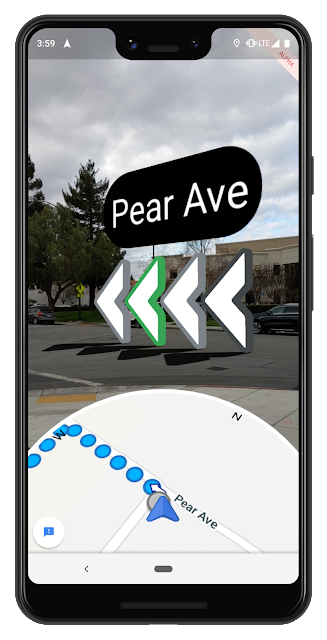
Example of Google's AR integration in maps

Challenges

Accuracy and orientation have always been the biggest challenge for real-time mobile mapping. GPS can be distorted by buildings, trees, and heavy cloud cover. Orientation is possible because mobile devices are smart enough to measure the magnetic and gravity field of the earth relative to the motion of the device. But in practice, these measurements are very prone to errors.

With VPS, street view, and machine learning added to the Google Maps’ route-planning functionality, the early reports are very positive. VPS works in tandem with the street view to analyze key structures and landmarks in the field of view. It is pretty much the same way we as humans process what we are seeing in relation to what we expect to see. Once it calibrates, the AR functionality presents the relevant route markers (arrows and labels) to show the user where to go.

Of course, there are challenges with this added technology too. The real world changes. Structures come and go, which can make it difficult for VPS to marry up what it sees, with what street view has indexed. This is where machine learning comes in, with data from current imagery being used to update, build upon, and improve what Google Maps already knows.

An additional challenge also concerns user habits. But Google has been quick to build in prompts to stop users from walking too far while looking through the AR lens minimizing any potential risk from real-world hazards (vehicles, people, structures, and the others) outside of the camera’s view.

Implications for search

When its AR functionality is rolled out, it’s not hard to see that Google Maps will have added appeal for users.

This is building on an already massively popular tool. According to data from The Manifest, 70% of navigation app users use Google Maps. As a proportion of the 2.7 billion global smartphone user base, this is around 1.4 billion people.

We’ve written at length here at Search Engine Watch about the importance of local and hyperlocal search. If you have a real-world location for your business and you have not already done so, setting up a “Google My Business” profile is the first step to assisting Google Maps with knowing exactly where your business location is. In addition, it also improves how you are presented in local search elements such as three-pack listings, as well as giving the user clear opening time information, and the option to click-to-call.

This is obviously important as more people come to Google Maps to use the AR functionality. On a hyperlocal level, as Google Maps’ AR looks to make increasing use of non-transient structures and landmarks, it might be good practice for businesses to make it more of a point to rank for key terms related to these landmarks. It is also easy to see how important it is to consider how your business looks from a joined-up marketing/UX perspective, with questions such as:

  • Is your real-world branding clear and visible in the real world? (It might be from across the street, but how about from 100 paces away?)
  • Is your real-world branding consistent with what it is being presented as online?

A positive step for users and SEOs

As a Google Maps user, this AR functionality is very exciting and I believe that it could have positive implications for SEO too.

For businesses who have real-world locations, Google Maps is already a hugely important way for potential customers to discover you and pay a visit. AR is a fascinating arena of digital technology, and we have already seen its impact through games such as “Pokemon GO“ and other AR mapping tools that are popular with users. Ultimately, in as much as search and navigation apps are lenses through which it pays to be visible, it seems AR will prove to be just as important when this technology is rolled out publicly.

Luke Richards is a writer for Search Engine Watch and ClickZ. You can find him on Twitter at @myyada.

The post Google tests AR for Google Maps: Considerations for businesses across local search, hyperlocal SEO, and UX appeared first on Search Engine Watch.


source https://searchenginewatch.com/2019/03/29/google-tests-ar-for-google-maps-considerations-for-businesses-across-local-search-hyperlocal-seo-and-ux

Wednesday, 3 April 2019

Luxury marketing search strategy, Part 2: Strategies and tactics

In the first article of my luxury search marketing series, I discussed the consumer mindset in the luxury vertical. I provided insight into what motivates luxury shoppers and what drives them to purchase.

In the second article, I’ll build upon that foundation and explore how to craft SEO strategies that enable luxury marketers to maximize results in this highly competitive space.

This article’s SEO recommendations address “on-page” ranking factors. Moz defines “on-page SEO” as optimizing both the content and HTML source code of the webpage. Prioritizing on-page SEO will help luxury marketers increase their organic search visibility by (1) Improving search engine rankings, and (2) By driving traffic to their website.

Read also: 10 on-page SEO essentials: Crafting the perfect piece of content

Unfortunately, the work doesn’t stop once you have great on-page SEO. As I explained in my first article, consumers often purchase luxury goods to satisfy an emotional need. So, to truly maximize conversions, luxury marketers should deliver an emotionally fulfilling shopping experience. I’ll share some ideas on how to do this with high-quality content.

1. Understand keyword intent and get your brand in front of the right buyers

It is critical to understand the intent behind customers’ search behavior. You need to understand what they want in order to effectively optimize your website and create a solid foundation for a content strategy. Keyword research, which involves strategically analyzing intent, will enable you to understand consumers’ specific needs and how you should be targeting those searchers.

There are three basic types of search intent:

  • Navigational – These searchers are looking for a website or location. For example, “Gucci,” or “Gucci.com”. Search results lead to the brand’s domain, i.e. Gucci.com.
  • Informational – These searchers are looking for specific information. For example, “Chanel leather types,” “what is caviar leather?” Search results lead to web pages that provide specific information, like guides and lists about the types of Chanel leather or more detailed information about what caviar leather is.
  • Transactional – These searchers are looking to take a specific action such as buy a product or book a service. For example, “buy Jimmy Choo shoes,” “where to buy gold handbags?” Search results lead to retailer websites where you can buy Jimmy Choo shoes or gold handbags.

Putting it into practice

How do you know if your website is addressing your customer’s intent? Start by evaluating your keyword targeting. Look beyond search volume and ask yourself if your keyword targeting matches the search intent. For example, if your page is informational in nature, is the term you are targeting and optimizing for consistent with an informational-based keyword search? Manually check the search results to ensure that the keyword and page you are targeting is a right fit for what’s appearing in the search results.

Read also: How to move from keyword research to intent research

2. Invest in your meta description to win the click

Although meta descriptions have not been a direct ranking factor since 2009, click-through rate can impact your website’s pages’ ability to rank. Given this, marketers need to continue to invest in meta descriptions. Although custom meta descriptions are more work (especially when you’re dealing with ecommerce sites where content frequently changes), it’s worth the effort you put in to get the click.

How do you write a stellar meta-description? Here are a few tips.

1. Prioritize your evergreen pages

Evergreen pages are those pages where the page itself stays the same, even though the content may change slightly over time. These are your main landing pages, specifically your homepage and category level pages, such as “designer collections” or “jewelry & accessories”  where most of your traffic comes from. Even if the content changes slightly, these pages will have the chance to build up equity/credibility within the search engines so make sure you nail the meta description.

2. Paint a picture

In my first article, I explained how many consumers purchase luxury goods to fulfill emotional needs. Use the meta description as an opportunity to address those needs and create an experience. You can do this with visually appealing descriptions that make great use of action verbs. Action verbs deliver important information and add impact and purpose. The click-through rate improved by almost 2% on a page my team optimized using more descriptive copy. Some examples are:

  1. Take a peek at the latest handbag designs.
  2. See yourself in the tropics with this collection of flowy dresses.
  3. Achieve the perfect business look.
  4. Get sun-kissed denim jackets, shirts, and other apparel.

3. Create urgency with your calls-to-action

In my first article, I also discussed the importance of communicating exclusivity when promoting luxury products. Use the meta description as a way to create a “fear of missing out” with your call-to-action. Some examples are:

  1. Shop this limited edition today!
  2. Check out our exclusive collection today!
  3. Don’t miss this once in a lifetime trip!

4. Make sure it fits

Be mindful of character limits. Make sure you stay within 150 to 160 characters, otherwise your description will likely be cut off in search results. It doesn’t provide the user with a good experience when a key part of your message is missing.

5. Hire a professional copywriter

If you are struggling with writing creative and compelling descriptions, I strongly recommend working with a professional copywriter, especially for your website’s key pages. Good copywriters can add the magic touch to your meta descriptions.

Read also:

Putting it into practice

Conduct an honest assessment of your meta descriptions. Is this something you would click on for more information? Winning the click can help improve your click-through rate, and as a result, your SEO ranking position. More importantly, it can help improve your conversion rate which translates into sales and more money earned.

And don’t forget to take stock of what your competitors are doing. Are they winning the click because they are using more creative descriptions, and more enticing, urgent calls to action?

3. Create emotionally fulfilling and relevant content that reiterates the urgency

We’ve talked a lot about the importance of emotionally fulfilling content in luxury marketing. So, what exactly qualifies as emotionally fulfilling content? What type of content or shopping experience is going to trigger that dopamine hit that makes us feel good and go back for more?

In its most basic sense, emotionally fulfilling content is content that makes you feel something. Think about a story that you love. Do you remember how it felt to be totally immersed in the story? If it were a book, you couldn’t put down. Or if it were a TV show that you had to binge-watch for the entire series, you had to keep watching because you couldn’t get enough.

That’s the type of content I’m talking about. It’s content that leaves you feeling satisfied, content, and engaged. This type of content fulfills our high-level needs as we discussed in the first article. Buying that Fendi handbag, or Rolex watch, can give us the confidence we need and appeal to our sense of belonging.

We connect with stories, especially stories we can relate to. Chanel does a great job with this type of website content. I’m a Chanel brand fan and a jewelry lover, so Chanel’s 1.5, 1 Camelia. 5 Allures resonates with me. Chanel creates an experience that you can truly immerse yourself in.

Consumers aren’t the only ones who love good content

For years Google has been stressing the importance of high-quality content.  This type of content is written for the user, not the search engine, but we know that the engines tend to reward strong content with an increase search engine ranking position.

In addition to strong content, the use of urgency elements and descriptive calls-to-action are powerful ways to drive conversions. How often have you scrolled through a website to find your desired product with a “limited quantity – only three left!” label. That’s a powerful motivator that pushes consumers to drive in-the-moment purchases. Leveraging the “fear of missing out” is a powerful tactic that can be applied to products to help drive conversions. Lyst had a 17% conversion rate increase when they showed items on product pages that were selling quickly.

You can create urgency in a few different ways:

  1. Quantity limitations (Only one left at this price!)
  2. Time limitations (Discounted tickets until 1st April!)
  3. Contextual limitations (Mother’s Day is coming, buy a gift now!)

Putting it into practice

Spend some time examining your content. Is it emotionally fulfilling and relevant enough for your customer? Is this something you would be interested in? If not, what can you do to improve it? Content that is emotionally fulfilling and relevant often tells a story and keeps your users coming back for more. Remember, Google tends to reward this type of content with increased search engine rankings.

Also, consider how you can incorporate urgency elements onto specific pages. Think in terms of quantity, time, and context.

Final thoughts

Content that’s relevant and creates an emotionally fulfilling experience for the user should be at the heart of any luxury brand’s marketing campaign. We crave this content because of the experience that it provides for us and how it makes us feel. Don’t forget about the dopamine connection!

The foundation of your SEO campaign should start with keyword intent research. It’s not just enough to target search volume alone, you must balance that with user intent. Finally, invest in your meta description by creating something that’s truly enticing that makes people want to click through, learn more about your brand, and get them to convert.

In the final article in the series, we’ll tie everything together and discuss integrating search marketing with other channels in the luxury goods industry. Stay tuned!

Jennifer Kenyon is a Director of Organic Search at Catalyst (part of GroupM). She can be found on Twitter @JennKCatalyst.

The post Luxury marketing search strategy, Part 2: Strategies and tactics appeared first on Search Engine Watch.


source https://searchenginewatch.com/2019/04/03/luxury-marketing-search-strategy-series/

Doing backlink building like a ninja: Six best techniques

As SEOs we know outreach for backlinks has to be done in order to give the websites we are working on the backlink authority it needs. With backlinks being one of the top three ranking factors (depending on which study you’re reading) there is definite value in doing outreach.

Although this is made a lot harder thanks to the mysterious world of black hat SEO. Webmasters out there are savvier to the tactics of sending a generic feeling email, and on our part, it’s a lot of work for usually not much return.

This is why I’ve collated a list of some of the ninja backlink outreach tactics I’ve found which work great for most sites. At the heart of most of these techniques is some good exciting content to make your website stand out, as backlinks and content work hand in hand.

So let’s get going and earn our black belt in building backlinks. (Apologies, there will be a few more bad ninja related jokes in this post.)

Six of the best ways to build backlinks

1. Sponsoring a college or university team

Ok so before we get into this first one it does involve a bit of money on yours or your clients part to get the backlink. Although this would usually cost a few hundred pounds to sponsor the team and all you’re asking in return is a backlink from their team page which hopefully if you’ve done the research right will be on a .ac.uk or .edu domain which will naturally have high authority.

2. Skyscraper technique

This one is borrowed from Brian Dean from Backlinko, and you can get more details from him on this here. In essence, this approach involves finding the top piece of ranking linkable content you can find for a search term you’re trying to rank for. Then you build on that idea to make a better version of the piece and reach out to the right people to gain the right exposure.

If someone has created content on the “best top 10 ways to be a ninja” you can go and make a post of the “top 11 ways to be a ninja”. It is key to this technique to make sure that you find the right area and do the correct research, so if you’re working on behalf of a client get their input then do your own research to back up their knowledge.

3. Interview with someone on your website

Yes, this is a way to get backlinks by doing the bulk of the work on your own website. Find an influential person in your industry and convince them to give you an interview for your website. Unless you’re running a website all about celebs, most people within any industry will be flattered that you would want to interview them.

The only stipulation to this is that they will need to have some type of following on social media. This is as it will be as much in their interest to share the content as yours. So once you have the interview share it with your PR and social team, and allow them to share the piece as much as they can, hopefully, you will get some valuable industry related backlinks from this.

4. Create a free tool

Free tools are a great way to gain backlinks, all you have to do is look at the SEO industry for this and find “top free SEO tools” posts to see a list of free tools, some of which have only been created to build authoritative backlinks naturally. These do not need to be anything fancy only something that serves the user. For examples, a mortgage broker creating a mortgage calculator is a simple solution to get targeted traffic on their site and gain backlinks from sites related to mortgages.

5. Create your own data

There is a lot to be said about the impact of data and how this can be used to gain backlinks. Although, what if you have no interesting data you can share to get out into the news? Well, there are ways you can create your own data. There are great sites like Google Surveys where you can ask a set questions to a specified number of people and get back true related data based on your own parameters.

Although — it is what you do with data that counts in gaining backlinks for this technique, once you have completed the post on your website with a snappy clickbait headline. Head over to Reddit and find the most relevant subreddits you can and post your content anonymously to see if it gets picked up. In case it fails to get picked up by any sites, get on Twitter and start contacting local and industry press journalists. Soon enough someone will pick it up.

6. Video transcripts

So this final technique takes its inspiration from Moz’s whiteboard Fridays we all know and love. On every video, it is accompanied by a transcript of the video. As Moz knows, Google finds it very difficult to understand the context of videos, so they provide HTML text that gives a much clearer indicator to Google. This makes their life much easier.

How can you use this to your advantage exactly? Well, all you have to do is find some recent video content from an expert or influencer in your field. Check their site to see if the content is accompanied with a transcript of the video, if not then jackpot! From there create a transcript for the video which is on your own or client’s website.

The last steps involve a quick buttering up of the influencer on Twitter. It could be something along the lines of “Loved the last video, you’re amazing. I have created a transcript for the video if it is useful for anyone, the link is here.” Hopefully, they’ll give a retweet and with the shares of their content comes some shares and backlinks for you.

Conclusion

Hope the whole ninja theme wasn’t too cringy. The main point is that, yes link building is much harder than it used to be a few years ago. And everyone is so tuned out to an email asking for a backlink that they’re just going to ignore them. Still, backlink building can be done. Just think outside the box, be a bit sneaky like a ninja, get creative, and make the best quality content you can for your users.

Mark Osborne is the SEO Manager at Blue Array, with a passion for keeping up to date on the latest goings-on in the SEO world. He can be found on Twitter @MarkSEOsborne.

For more on backlinks, read:

The post Doing backlink building like a ninja: Six best techniques appeared first on Search Engine Watch.


source https://searchenginewatch.com/2019/03/27/backlink-building-six-best-techniques/

Tuesday, 2 April 2019

Google Dataset Search: How you can use it for SEO

Back in September 2018, Google launched its Dataset Search tool, an engine which focuses on delivering results of hard data sources (research, reports, graphs, tables, and others) in a more efficient manner than the one which is currently offered by Google Search.

The service promises to enable easy access to the internet’s treasure trove of data. As Google’s Natasha Noy says,

“Scientists, data journalists, data geeks, or anyone else can find the data required for their work and their stories, or simply to satisfy their intellectual curiosity.”

For SEOs, it certainly has potential as a new research tool for creating our own informative, trustworthy, and useful content. But what of its prospects as a place to be visible, or as a ranking signal itself?

Google Dataset Search: As a research tool

As a writer who has been using Google to search for data since about a decade, I’d agree that finding hard statistics on search engines is not always massively straightforward.

Often, data which isn’t the most recent ranks better than newer research. This makes sense in an SEO sense, that which was published months or years prior has had a long time to earn authority and traffic. But usually I need the freshest stats, and even search results pointing to data on a page that has been published recently doesn’t necessarily mean that the data contained in that page is from that date.

Additionally, big publications (think news sites like the BBC) frequently rank better than the domain where the data was originally published. Again, this is unsurprising in the context of search engines. The BBC et al. have far more traffic, authority, inbound links, and changing content than most research websites, even .gov sites. But that doesn’t mean to say that the user looking for hard data wants to see BBC’s representation of that data.

Another key issue we find when researching hard data on Google concerns access to content. All too regularly, after a bit of browsing in the SERPs I find myself clicking through only to find that the report with the data I need is behind a paywall. How annoying.

On the surface, Google Dataset Search sets out to solve these issues.

Example of Google Dataset Search result

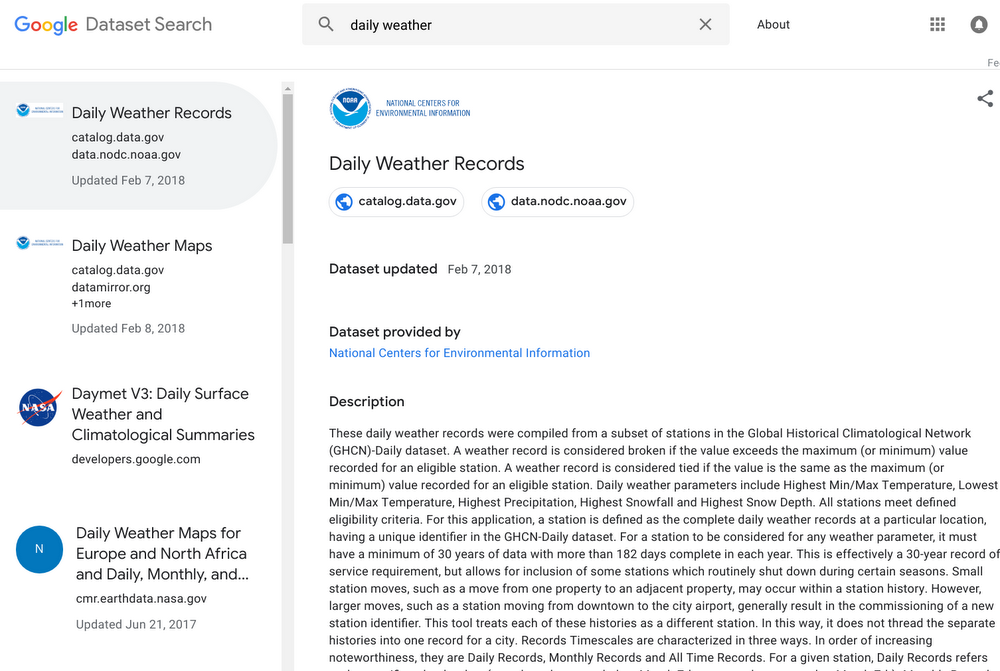
A quick search for “daily weather” (Google seems keen to use this kind of .gov data to exemplify the usefulness of the tool) shows how the service differs from a typical search at Google.com.

Results rank down the left-hand side of the page with the rest of the SERP real estate given over to more information about whichever result you have highlighted (position one is default). This description portion of the page includes:

  • Key URL links to landing pages
  • Key dates such as the time period the data covers, when the dataset was last updated and/or when it was first published
  • Who provides the data
  • The license for the data
  • Its relevant geolocation
  • A description of what the data is

By comparison, a search for the same keyphrase on Google in incognito mode prioritizes results for weather forecasts from Accuweather, the BBC, and the Met Office. So to have a search engine which focuses on pure, recorded data, is immediately useful.

Most results (though not all) make it clear to the user as to when the data is from and what the original source is. And by virtue of the source being included in the Dataset Search SERPs, we can be quite sure that a click through to the site will provide us access to the data we need.

Google Dataset Search: As a place to increase your visibility

As detailed on Google’s launch post for the service, Dataset Search is dependent on webmasters marking up their datasets with the Schema.org vocabulary.

Broadly speaking, Schema.org is a standardized way for developers to make information on their websites easy to crawl and understandable by search engines. SEOs might be familiar with the vocabulary if they have marked up their video content or other non-text objects on their sites. For example, whether they have sought to optimize their business for local search.

There are ample guidelines and sources to assist you with dataset markup (Schema.org homepage, Schema.org dataset markup list, Google’s reference on dataset markup, and Google’s webmaster forum are all very useful). I would argue that if you are lucky enough to produce original data, it is absolutely worth considering making it crawlable and accessible for Google.

If you are thinking about it, I’d also argue that it is important to start ranking in Google Dataset Search now. Traffic to the service might not be massive currently, but the competition to start ranking well is only going to get more difficult. The more webmasters and developers see potential in the service, the more it will be used.

Additionally, dataset markup will not only benefit your ranking in Dataset Search it will also increase your visibility for relevant data-centric queries in Google too. An important point as we see tables and stats incorporated more frequently and more intuitively in elements of the SERPs such as the Knowledge Graph.

In short:

  • Getting the most out of your data is straightforward to do.
  • The sooner you do, the more likely you are to have a head-start on visibility in Dataset Search before your competitors.
  • And it is good best-practice for visibility in increasingly data-intuitive everyday search.

Google Dataset Search: As a ranking signal

There is a good reason to believe that being indexed in Dataset Search will be a ranking signal in its own right.

Google Scholar, which indexes scholarly literature such as journals and books has been noted by Google to provide a valuable signal about the importance and prominence of a dataset.

With that in mind, it makes sense to think a dataset that is well-optimized with clear markup and is appearing in Dataset Search would send a strong signal to Google. This would signal that the respective site is a trusted authority as a source of that type of data.

Thoughts for the future

It is early days for Google Dataset Search. But for SEO, the service is already certainly showing its potential.

As a research tool, its usefulness really depends on the community of research houses who are marking up their data for the benefit of the ecosystem. I expect the number of contributors to the service will grow quickly making for a diverse and comprehensive data tool.

I also expect that the SERPs may change considerably. They certainly work better for these kinds of queries than Google’s normal search pages. But I had some bugbears. For example, which URL am I expected to click on if a search result has more than one? Can’t all results have publication dates and the time period the data covers? Could we see images of graphs/tables in the SERPs?

But when it comes to potential as a place for visibility and a ranking signal, if you are a business that collects data and research (or you are thinking about producing this type of content), now is the time to ensure your datasets are marked up with Schema.org to beat your competitors in ranking on Google Dataset Search. This dataset best practice will also stand you in good stead as Google’s main search engine gets increasingly savvy with how it presents the world’s data.

Luke Richards is a writer for Search Engine Watch and ClickZ. You can follow Luke on Twitter at @myyada.

The post Google Dataset Search: How you can use it for SEO appeared first on Search Engine Watch.


source https://searchenginewatch.com/2019/04/02/using-google-dataset-search-seo/

Visual content creation tools for stunning social media campaigns

Hubspot found that 80% of marketing professionals lean on visual content in their social media marketing.

It makes enormous good sense to assert that social media marketing is moving towards a direction where image and video content shall play pivotal roles.

Traditionally, content marketing has performed three roles:

  1. Factually accurate content informs users
  2. Stand-out content reminds them
  3. Visual content convinces them

There are statistics that provide mounting evidence to the vitality of leveraging a visual content marketing strategy.

Key insights on the changing face of visual content marketing

  1. With more than 2.5 billion camera phones in use, visual content creation is more accessible, affordable, and available to users than ever before.
  2. Cisco found that by the year 2021, 82% of all IP traffic shall consist of video.
  3. Image content enables brands to gain more traction in the market by increasing subscription users up to 329%.
  4. Hootsuite found that a single piece of visual content has the same effect on the human mind as 60,000 words.
  5. The Graduate School of Business, Stanford University that in fact offers a dedicated academic program called the Symbolic Systems Program, that reinforces the impact of visual content in the digital era of technology-driven marketing.

How do images and video content create value for brands on social media?

Prima facie, visual content augments value creation on social media in the following ways:

  1. The human brain is designed to process a visual image in 1/10th of a second. The obvious implication of this is that visuals enable brands to send across their brand philosophy to users in the smallest window of time and very often at a glance.
  2. Visual content allows brands to showcase their key brand differentiators in the most seamless way possible. Take for example the short video that shows Coca Cola draping its bottles in beautiful red ribbons with the names of users written on the bodies of the bottles to personalize their selling. With this video, Coca Cola redefined personal selling on social media like never before.
  3. Brands that leverage visual content for social media marketing reported a quantum leap in their traffic conversion rates and user engagements. In fact, as per Buzzsumo, images posted on Facebook get 2.3X more engagement than those without images. Dropbox had tried creating a face for its brand by investing an outlay of $50,000 in the creation of a video that saw its conversion rate jumping by 10%.

Challenge of leveraging visual content successfully for social media marketing

Accenture Interactive had conducted a survey on a sample of more than 1000 consumers that sought to objectively assess their tastes and preferences, habits, likes and dislikes of content consumption, and thus, identify patterns and insights on visual content marketing and consumption. The findings submitted as part of the Accenture Interactive research stated that visual content and especially video is still considered invasive by a large chunk of people.

The findings stated on page six of the report published clearly asserts that 35% of users find the use of video content for advertising inconvenient and invasive as opposed to 26% users that stated they prefer to see video advertisements.

Features of an awesome visual content design tool for social media marketing

Given the importance of visual content in the context of social media marketing and the abundance of design tools for creating visual content for the aforesaid purpose, it is worthwhile to explore the features, functionality, and performance parameters that make for a great design tool.

Other important aspects like ease of use, pricing, integration with other social media apps, and the spectrum of content prototypes that can be created using these design tools including but not limited to infographics, graphs, pie charts, bar charts, and scatter diagrams.

Some of the major parameters in assessing the merit of a great design tool for creating visual content are as follows:

  • Ease of use
  • Social media marketing integration
  • User experience
  • Choice of templates
  • Custom design
  • Pricing

The best visual content design tools for social media marketing

With the knowledge of the parameters that you got to be focusing on, from the perspective of visual content creation for social media marketing, it is easy to identify a list of the best such design tools that are available and in demand for the said job. Have a look.

1. Bannersnack

Making it to the list of the top design tools for image content creation is Bannersnack. Immensely popular with social media marketing professionals and graphic designers, the online banner maker offers the following features:

  • AI-driven online banner generator: Bannersnack offers an artificial intelligence-driven online banner generator that allows users to edit multiple advertisement banners thereby reducing the turnaround time greatly and also augmenting the ease of creating banners with just a few clicks.
  • Diverse banner sizes: The online banner design tool allows the user the option to choose from a wide array of banner templates of diverse sizes including miniature versions as well as scalable ones.
  • Design from scratch with templates: Users get to choose from a wide diversity of animated and static banner themes and build their online banner the way they want to. Bannersnack allows for the use of built-in standardized themes as well as complete customization of designs.
  • Export or embed your banners to any display advertising platform: Bannersnack allows users to create online advertisement banners of dimensions that are accepted by major digital advertisement publishing platforms like Google Ads, Display Network, AdRoll, and ReTargeter.
  • Thirty-two, 32 ready-made animation presets for a fast result: Bannersnack offers users 32 built-in animation themes that can be used to create and customize animations in HTML5 through an intuitive virtual interface.
  • Create more banners of more than 20 different sizes: With Bannersnack, users get to create online banners of more than 20 different sizes at the same time, thus augmenting productivity and speed and reducing the turnaround time.
  • Allows multiple users to collaborate on any design project: Bannersnack offers some handy features for collaboration and co-creation of online ad banner copies. It allows multiple users to collaborate on the creative process of designing the banner copy.
  • Pricing: Bannersnack offers the following pricing plans for individual users and teams. Individual users can fall back on a starter trial offer of seven days for free. A monthly subscription for individual users is available for $7. A quarterly subscription of three months’ duration is available for $18 a month, and a yearly subscription for 12 months is available for $36 a month.

2. Venngage

Second on our list of online banner makers is Venngage. Offering hundreds of charts, maps, and icons to create infographics for perfect data visualization, this online banner maker is highly used for making infographics. Venngage offers the following features listed below:

  • Choose the perfect data visualization: The online banner maker offers a wide variety of options to create infographics. The list of statistical representations that can be created using Venngage includes but is not limited to the line chart, smooth line charts, area line charts, pie charts, bar charts, multi-column bar charts, stacked bar charts, scatter plot charts, bubble charts, stacked bubble charts, multi-series charts, and summary stats.
  • Customizable infographic templates and themes: Venngage offers powerful features for creation of customized infographics. The online banner maker platform provides hundreds of templates and art themes to choose from with new templates being added to their portfolio every week.
  • Easy drag and drop interface: Venggage has an easy drag and drop user interface that allows users to pull widgets directly into their canvas, lock and group widgets together into places and customize the widget size, color coding, and orientation.
  • Free-form design canvas: Yet another feature of Venngage that makes it very convenient to use and operate for non-technical people is its supremely easy navigation that allows users to maneuver across diverse art themes, icons, pictures, fonts, and objects. The design tool offers a free-form design canvas that can be used to move objects around without any area restriction, snap to grid for automatic alignment, and thus delivers a seamless user experience.
  • Share seamlessly on social media: Given that digital marketers, graphic designers and content creators usually do have the need to share their creative banners on social media platforms, blogs, and other digital publishing platforms, Venngage makes it easy for users to do so. The online banner maker tool allows users to share seamlessly on diverse social media platforms.
  • Pricing: Venngage is affordable. For business enterprises, Venngage offers subscription plans priced at $49 a month. On the other hand, premium individual subscriptions are priced at $19 per month.

3. Visme

Third on the list of the best visual content creation tools is the online banner maker from Visme. The online banner maker is highly popular among graphic designers and marketing professionals. It offers a host of features, functionalities, and end user benefits as listed below:

  • Easy to use banner maker: With a supremely easy to navigate user interface, Visme rates high among visual content creation tools for social media marketing among marketing professionals and graphic designers.
  • Hundreds of templates to choose from: The design tool also offers features of built-in images and icons to select from millions of free and high-quality photos that can be searched from the image bank along with custom graphics and fonts for the text content.
  • Create unified banners with simple resizing options: Yet another feature that makes Visme highly popular among communities of professional and novice designers is the rich customization that it offers. Users can create unified banners with diverse resizing options for their web arts and digital creatives without having to bother about the pixel clarity being affected.
  • Easily create web graphics of all sizes: Visme allows users to create graphic arts of different sizes. Right from small scale banners to the large scale ones that brands need for their social media assets in the background or cover sections, users get to create web graphics of all sizes. Thus, it ranks high on the rich diversity of scale that it offers.
  • Customize the banner template with your own graphics and fonts: Visme is one of the most popular image creation tools equipped with features like hundreds of templates for all the main social media platforms like Facebook, Twitter, YouTube, and LinkedIn. It provides custom features to choose from all types of banners, from advertisements and blogs to social media graphics of all sizes.
  • Pricing: Visme offers a three-tiered subscription plan. There is a no-frills plan with basic features for users that is free of cost. Second, there is a standard subscription plan that costs $14 per month, and a complete subscription plan that costs $25 per month that allows users to access the whole suite of features and functionalities.

4. Fotor

Fourth on our list of the top visual content creation tools for use in social media campaigns is Fotor. With probably one of the most diverse and widest arrays of templates for creating image content, Fotor offers great multi-purpose functionality that embraces both the online and onsite business ecosystems. Fotor offers the following features to users:

  • Templates: Fotor is an online image creation tool that offers a wide portfolio of templates that can be used to design web graphics and digital banners for social media platforms, emails, banners, flyers, invitation cards, business cards, thumbnails, tickets, mobile wallpapers, postcards, letterheads, and certificates.
  • Design: On the front of the design, Fotor offers a multitude of features for graphic design, photomontage, and background. The online banner maker allows users to save their work in progress on the cloud and retrieve their last work at ease to take it forward later. The design features also include support for a large number of formats including JPG, PNG, and PDF.
  • Basic edits: Fotor offers extensive features to users for executing basic edits to their copies of advertisement banners. Users can crop, resize, and straighten their web graphics with ease. Yet another feature that adds to the list of end-user benefits offered by this online banner maker is the supremely easy user interface that allows for seamless navigation.
  • AI-driven visual effects: The online banner maker also offers an option to upgrade to a paid subscription that offers additional benefits of premium content with no watermark that is free of restrictions, advanced features for ease of use, advertisement-free editing, bigger sizes of canvas, and massive cloud-installed memory to archive your finished graphics and work in progress that can be downloaded in different image and PDF file formats. AI photo effects, stickers, collage, text, HDR photography are all part of the console.
  • Multi-lingual collaboration: Further the online banner maker also offers a multi-lingual front end for graphic designers covering major international languages like Portuguese, German, Russian, French, Traditional, Simplified Chinese, and Japanese making it easy for multi-ethnic and cosmopolitan teams of designers to collaborate and co-create graphics for brands.
  • Pricing: Fotor offers two subscription plans. Users can opt for a monthly subscription plan at $8.99 per month. On the other hand, Fotor also offers an annual subscription plan at $39.99 per annum, which essentially comes down to $3.33 per month, which by all accounts is certainly affordable.

5. My Banner Maker

Fifth in our list of the best visual content creation tools is My Banner Maker. An easy to use online banner maker, My Banner Maker stands out in the list for its professional turnkey assistance and professional collaboration in addition to the technology suite that it offers. Some of the major features that My Banner Maker offers are as follows:

  • Social media banners for Facebook, Twitter, LinkedIn, and YouTube: The specialty of My Banner Maker lies in the features and functionalities that it offers for visual content to be deployed in games, that is in addition to that for social media platforms like Facebook, Twitter, LinkedIn, and Pinterest.
  • Banner advertisements of diverse sizes: My Banner Maker is one of those free visual content creation tools with simply awesome templates for feature-rich designs, custom color codes, customizable font sizes for content to go along with, and seamless user experience for designers. Further, the platform offers great scalability to users with options to access graphic content and images of different sizes.
  • Professional collaboration with the vendor: With a paid subscription plan, brands can also collaborate with the design team at My Banner Maker to co-create their custom graphics assets and visual content pieces by sharing their brand logos, brand copyrighted images, and mascots.
  • Pricing: Priced at $4. 95 per month, My Banner Maker allows users to make pixel perfect banners of different sizes, use the express banner editor and online design studio along with unlimited access to full photoshop library, and priority support.

In the final diagnosis, it is only humble to take cognizance of the ever-increasing influence of visual content in the context of social media campaigns and the opportunities that brands can look forward to leveraging. While this list is by no means exhaustive and exclusive, the above mentioned visual content creation tools make it to our list on parameters of user experience, custom design abilities, and pluralism of deployment across digital platforms. Here is wishing your brand all the luck to reinvent the future of social media marketing by creating some stunning visuals this year.

Birbahadur Singh Kathayat is an Entrepreneur, internet marketer and Co-founder of Lbswebsoft. He can be found on Twitter @bskathayat.

The post Visual content creation tools for stunning social media campaigns appeared first on Search Engine Watch.


source https://searchenginewatch.com/2019/04/02/visual-content-creation-tools-social-media/

Monday, 1 April 2019

Google featured snippets: A short guide for 2019

When you ask any question in Google or search with any keyword, a special block of information may appear, which is known as a featured snippet.

This block will contain an extracted summary of the answer from a webpage, a link to that page, and most of the time, a related image. Google extracts the summary programmatically. If you can place in any particular keyword for the featured snippet, you will get special attention of the person searching about that topic. The result? More clicks, more traffic.

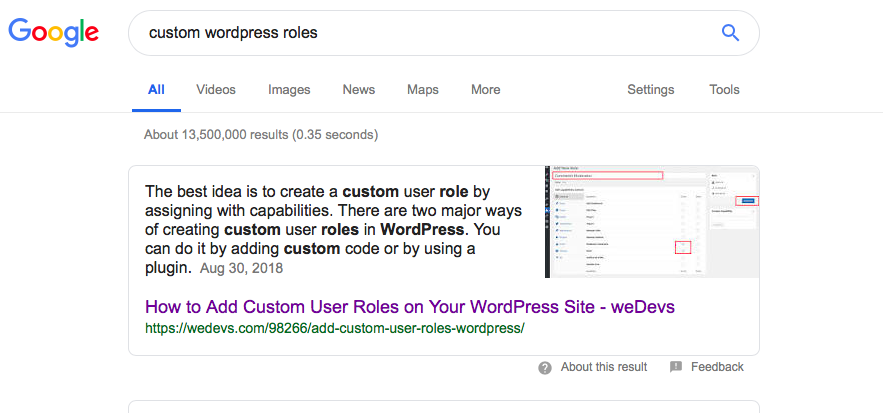
Here is one example of a featured snippet, from our main site weDevs.com. The competition of that long tail keyword is relatively low, and there were not many resourceful articles about this topic on the internet. So achieving this Google snippet was easy for us.

Example of a Google snippet

You can opt out from featured snippets (using <meta name=”googlebot” content=”nosnippet”> tag on your page). But according to Google, there is no way to mark your page with a featured snippet. It is a fully programmatic process.

In my research about Google featured snippets, I have found some interesting things about this special block of information. In this post, I will cover them. Using these insights you can get success in your featured snippet SEO.

First of all, let’s see a featured snippet.

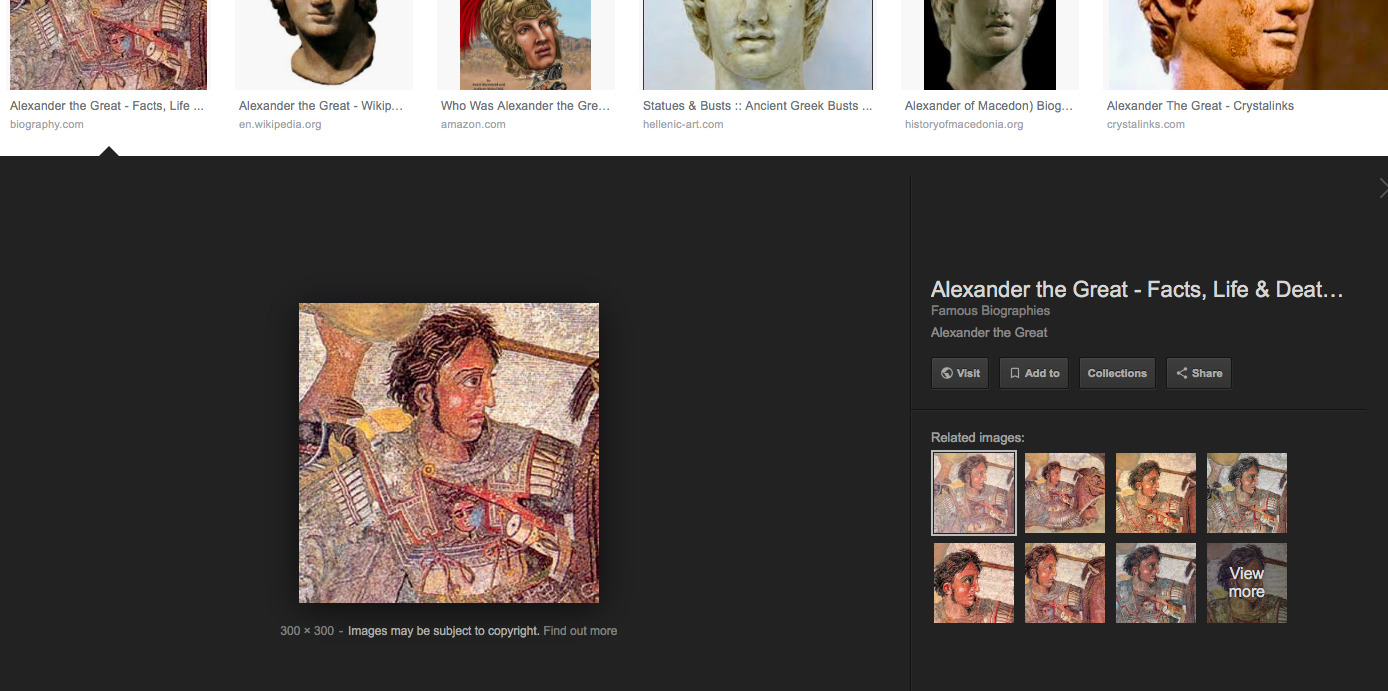
My search query “who was Alexander the great?”

Example of a Google snippet for a particular search queryThere is an image of Alexander the great in this snippet. If you click in that image you will see the image is taken from the same webpage of biography.com.
Example of where a snippet image is fetched from

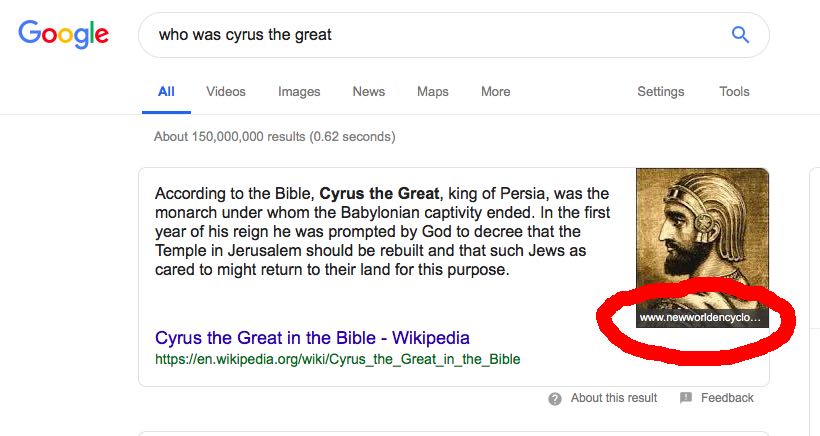
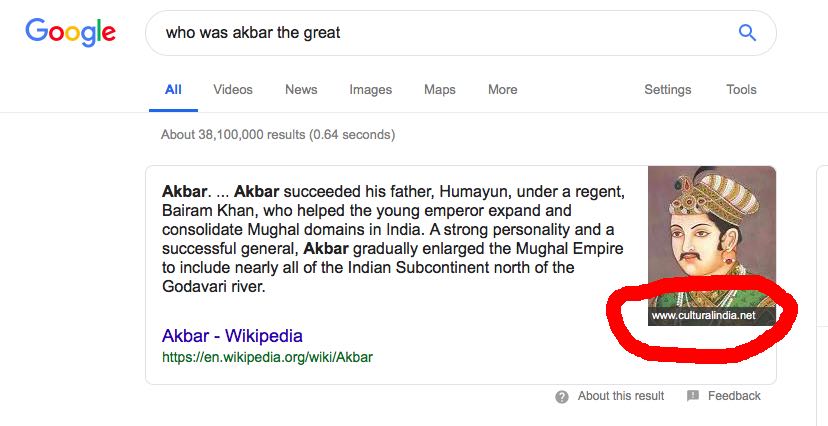
But this is not the case for every featured snippet. Sometimes the Google bot takes the picture from one site and text from another site. Look at these images below, where I have searched for two other historical figures.

Example of Google snippet

Example of Google snippet content and image fetching from two different sites

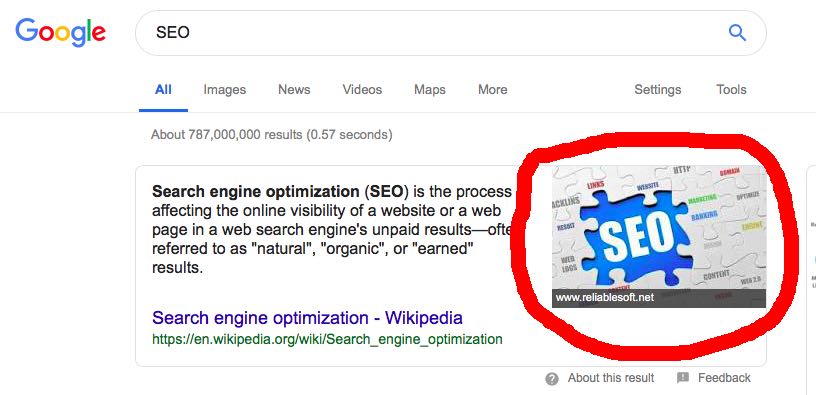
If your image has related text of the search query, it may appear in the featured snippet. I have found some of these kinds of featured snippet images, one is for the keyword SEO.

Example of Google snippet image for query SEO

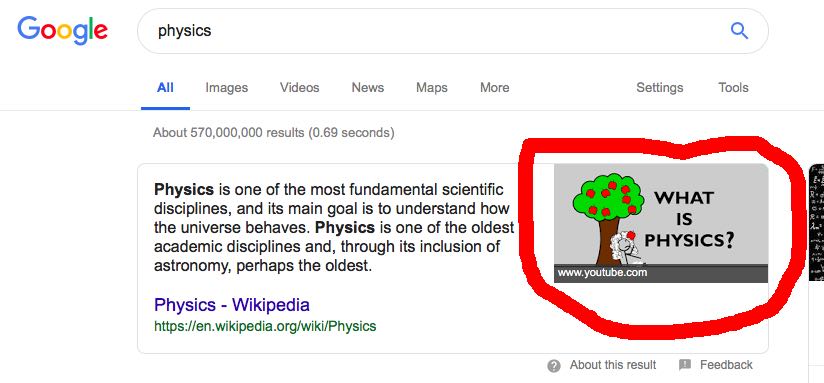
The featured snippet image can come from YouTube videos, too.

Example of Google snippet image fetching from YouTube videos

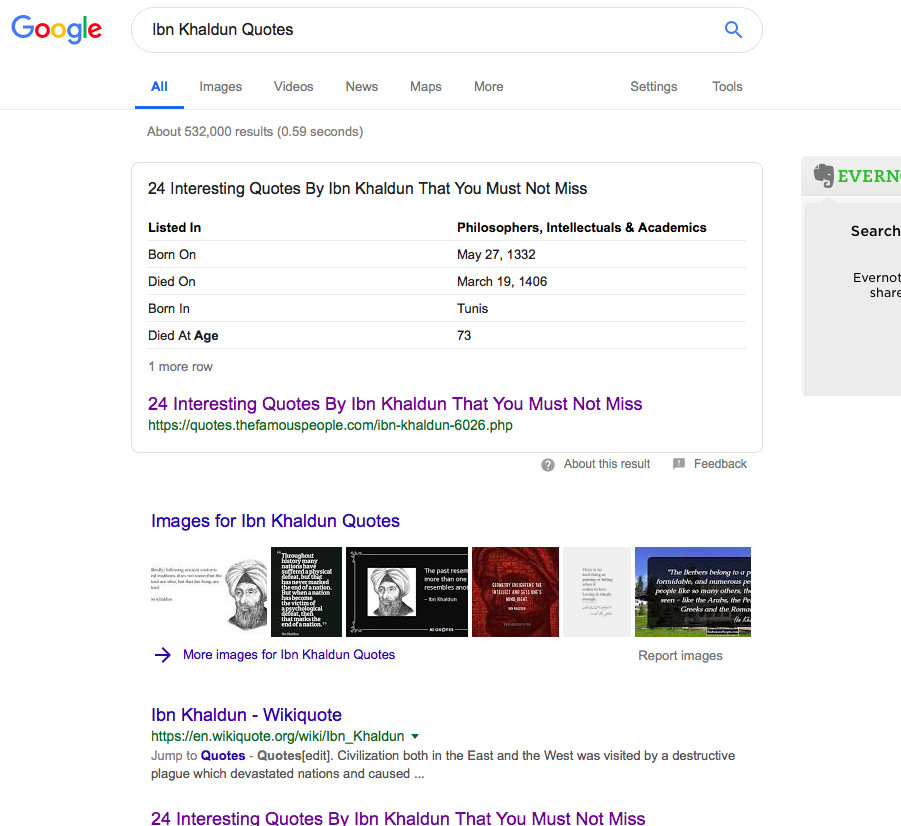
Sometimes a table of facts can appear in the special information block. Here is one example of the search phrase “Ibn Khaldun quotes”.

Example of table of facts in a Google snippet

The webpage of this snippet has a table of quick facts about historian Ibn Khaldun in an article. Googlebot grabs the information box from there.

How to get a place in the featured snippet for a particular keyword?

1. Structure your post better than your competitors for that particular keyword. You can use snippet bait for this. Snippet bait is a 40 to 60 words block of information designed to be featured on FS. This short block of information should clearly answer the question you are targeting.

2. Optimize your content for mobile search. If your site is not mobile friendly, it will be hard for you to get a place in the featured snippet.

3. Use lots of H2 and H3 tags. These will help Google bots to identify your information fast.

4. Use a table of facts for quick summarization. Summary and table of facts also useful for readers to get a quick picture of the content.

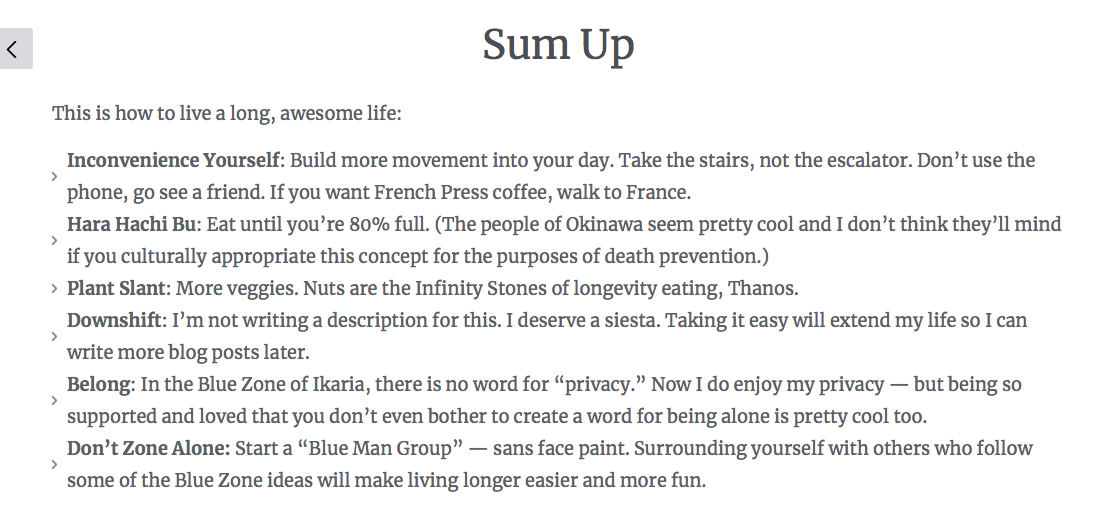
5. List a bullet point summary with 40 to 60 words. As a reader, I find it very helpful. An example from a blog post.

Example of how to create content for a Google snippet

6.  Find competitors’ featured snippets using SEO tools like SEMrush or Ahrefs. And then in your content, write a better snippet bait.

7. Get connected with more high authority sites by linking to them. And hopefully getting links in return.

8. From all types of the snippet (paragraph, table, and list), a paragraph snippet performs better. So, spend more time to optimize your contents with little information boxes.

9. To rank for a list snippet, a step by step guide content is most suitable. Use H2/H3 subheading tags for every step name.

10.  If you want to rank for table snippet, use tables in your content with quick facts. Table structure should be simple, well formatted so that the Google bot can easily pull data from it.

11.  Increase the site loading speed. You can read more about that here, here, and here.

12. Adopt HTTPS and secure your URL.

A case study of featured snippets: Your site’s ranking doesn’t matter much

It is not about your site’s SEO ranking or how many backlinks you have.

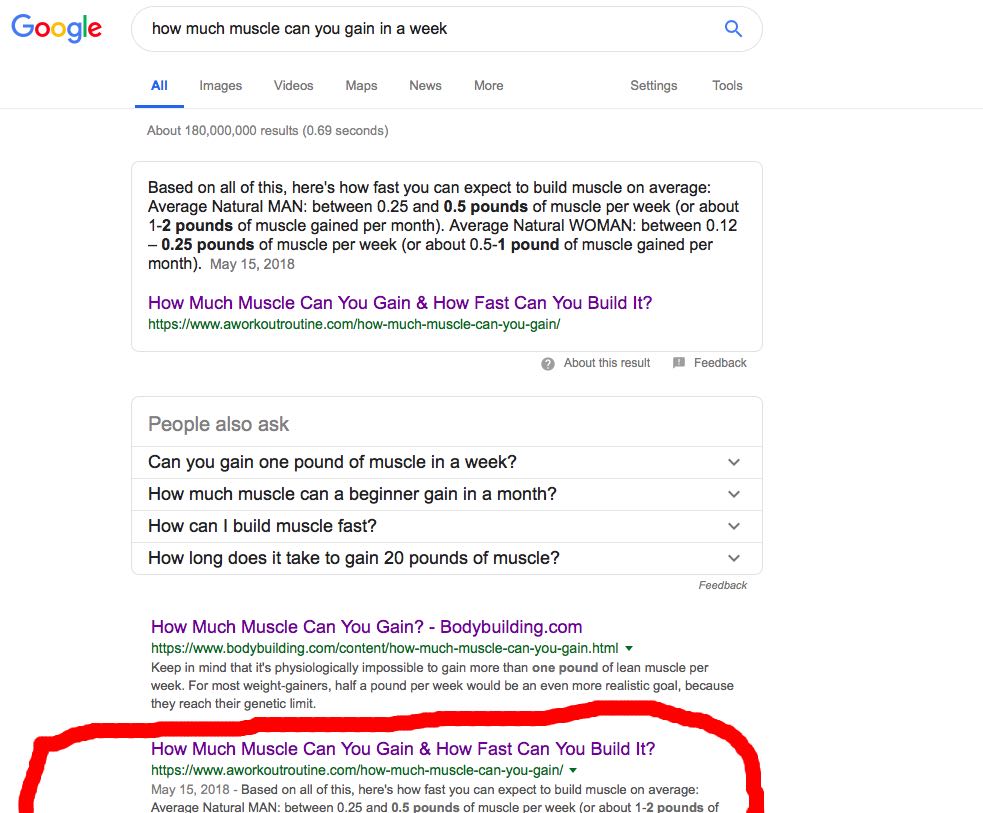
Mostly a featured snippet depends on the quality of the content and structure of your content. If you search by “how much muscle can you gain in a week?” you will see a featured snippet from a site named aworkoutroutine.com. This bodybuilding site is defeating bodybuilding.com in featured snippets while in the actual search result, it is in the number two position.

Example of how site ranking doesn't affect rich snippets

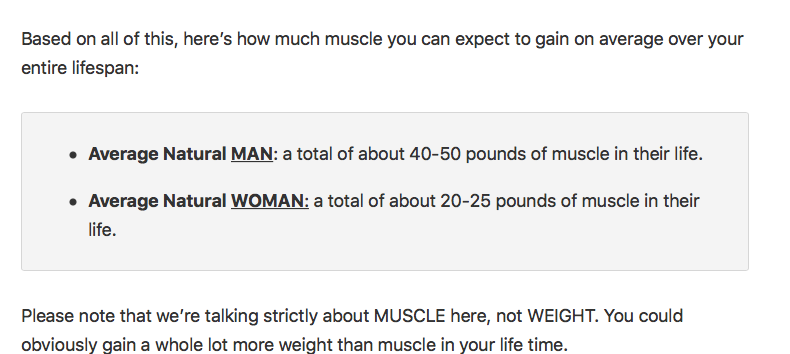
The content of aworkoutroutine.com is well structured, very suitable for skim reading. Also it has useful information in boxes.

Example of a Google snippet that's skimmable

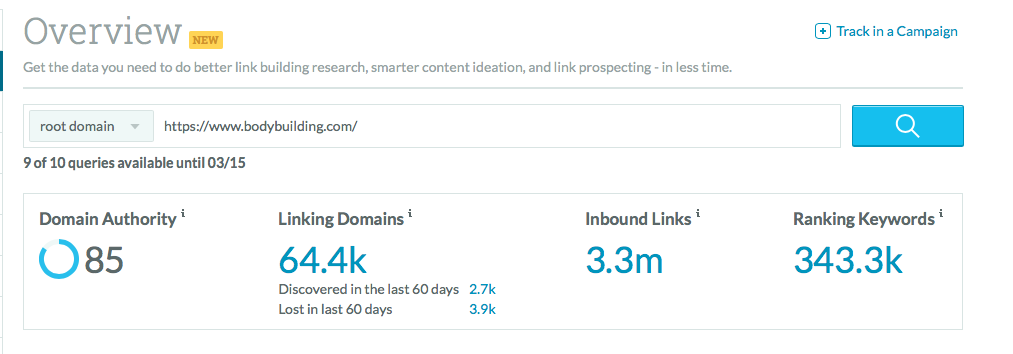
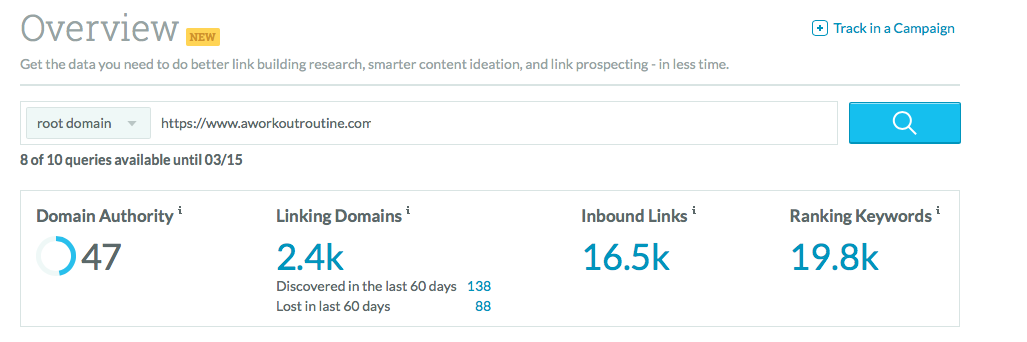
Besides the content of the bodybuilding.com is just a typical structured one. We can see the SEO position of these two sites from MOZ’s link explorer tool.

Bodybuilding.com

Screenshot of Moz's result for Bodybuilding.com

aworkoutroutline.com

Screenshot of Moz's result for aworkoutroutline.com

Another David and Goliath story, where the underdog is defeating the stronger. So, the basic point is, well-structured content can defeat a high ranking page in Google featured snippets.

Share your thoughts in the comments.
Muradul Islam is a Business Analyst at WeDevs.

The post Google featured snippets: A short guide for 2019 appeared first on Search Engine Watch.


source https://searchenginewatch.com/2019/03/27/google-featured-snippets-guide-2019/

Bing takes over Yahoo ad delivery: Five things to prepare

January saw the announcement of Bing Ads exclusively taking over management for Yahoo and AOL search ads starting in March.

Oath had been renamed Verizon Media and Yahoo Gemini had switched to the name “Oath Ad Manager” only recently but Verizon (who agreed to the acquisition of Yahoo Inc. in 2016) are clearly trying to consolidate and stabilize the decade-long crumbling of the Yahoo empire. Regardless of the ultimate life expectancy of much of the Yahoo portfolio, the status quo was always on borrowed time.

The key question for agencies and advertisers is, what will it mean in the management of your search advertising?

Impact

The whole handover from Yahoo to Bing Ads is going to be far shorter than version 1.0 of this arrangement, which was implemented around 11 years ago. Only two weeks were allotted from the first blush to full transition, which is now, at the end of March.

The biggest impact here will be in the advertiser workflow. Obviously, you have one less platform but you also have a far better platform set as Bing and Google are very similar now. Bing will, thanks to its increase in traffic data, be able to introduce smart, query-level bidding solutions approximate to Google in a shorter timeframe than before. This will be great news for those seeking efficiency and less time spent on the Bing platform.

From an account management point of view, your year-on-year reviews are going to be more complicated. But you’re also going to have one less budget to forecast. So you win some, you lose some.

Scope

Bing Ads will account for around 35% of search traffic in the US. In international markets where Yahoo is a bigger search engine than Bing, there will be a huge jump.

Since responsive ads (native ads by another name) are in Bing Ads just as they are in Oath/Gemini, your creative will continue to deliver on websites but at a higher volume in a single account.

Search will be easier to control since Oath/Gemini had a different set of options and features, and had very different ad types.

The transition checklist

  • Assuming you keep your budgets in place on Yahoo and boost your Bing budgets to cope with the impending traffic influx, you should be fine. No action will be needed on Yahoo since the ads will stop serving automatically.
  • Setting up Bing conversion tracking on your website becomes even more of a priority if you haven’t already.
  • To counteract the year-on-year comparison issues, just ensure you download all of your Yahoo data, and you should be fine.
  • If you’re not particularly familiar with Bing (or are not on it) then this is the time to get to know it much better. And, frankly, if you know Google Ads, it shouldn’t be a stretch. However, there is an excellent Academy site you should look over and, with this Yahoo development, achieving an accreditation has even more value.
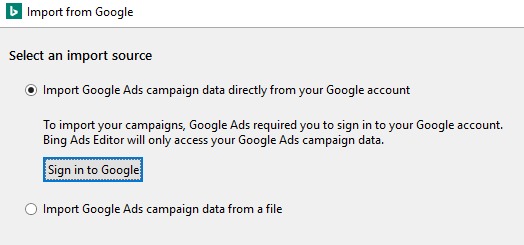
  • The good news is that if you have yet to use Bing Ads, the process for getting started is way easier than you may imagine. You can simply create a Bing Ads account and then import your Google account wholesale with the least amount of fuss. There are a few elements you’ll need to tweak once the content is imported (such as bidding strategies and bids in general) but you’ll probably find it to be a relatively painless process.

Screenshot of importing Google ads campaign data

Bing growth

A big takeaway from the last year or so is that Bing is heavily on a growth trajectory. Here are a few data points:

  • Since 2015, they have grown US search share from 31% to 34% in 2018 (includes Yahoo/AOL) – Source ComScore June 2018 
  • Internationally, Bing has grown at a faster pace (UK: 17% to 20%, FR: 11% to 16%)
  • Bing Ads now has access to LinkedIn audiences (currently beta but launching fully soon)
  • Bing is an OS-level search engine across not just Windows but increasingly popular Microsoft computing devices, plus Xbox.
  • Bing is the voice search engine on Amazon Alexa and the latter’s diversification of Echo and Alexa-compatible devices for presence all over your home and in your car is another crucial factor for the future.
  • Bing Ads covering all of Yahoo search ads (and, of course, powering Yahoo organic search) this year is a significant cherry on top of all of this.

Conclusion

Be prepared to work harder on optimizing your Bing accounts and you should see more traffic and sales than ever (especially if you never before waded into the murky Yahoo Gemini waters).

Steve Plimmer is the Head of Account Management US at ESV Digital. He can be found on Twitter @SPlimmer_ESV.

The post Bing takes over Yahoo ad delivery: Five things to prepare appeared first on Search Engine Watch.


source https://searchenginewatch.com/2019/03/29/bing-takes-over-yahoo-ad-delivery-five-things-to-prepare/